Restaurant Equipment Alternatives to Buying New: A Cost Comparison

Last Updated: November 18, 2026
Quick Summary
The four realistic restaurant equipment alternatives to buying new are leasing, renting, certified refurbished equipment, and open-box units. Each trades ownership for a different mix of cost, commitment, and risk, and most operators mix two or three of these across a single kitchen build.
- Leasing spreads equipment cost across fixed monthly payments but you return the unit at term end.
- Renting suits events, pop-ups, and seasonal spikes and is rarely cheapest for a permanent kitchen.
- Certified refurbished equipment is inspected, tested, and repaired by a dealer and may carry a limited warranty.
- A total cost of ownership comparison should include acquisition, financing, maintenance, energy, downtime, and resale value.
- Check that replacement parts are still made for a used model before you buy it.
Table of Contents
- Why Buying New Is Not Your Only Option
- The Main Restaurant Equipment Alternatives to Buying New
- Total Cost of Ownership: New vs Used vs Leased
- Leasing Restaurant Equipment vs. Buying: Which Fits Your Cash Flow
- Your Used Restaurant Equipment Inspection Checklist
- Finding Used Restaurant Equipment With Warranty Protection
- Restaurant Equipment Financing Options That Keep You Operating
- Equipment-Specific Picks: What to Buy Refurbished and What to Buy New
- Frequently Asked Questions
Why Buying New Is Not Your Only Option
Restaurant equipment alternatives to buying new have moved from a niche workaround to a mainstream budget strategy for kitchens across the country. Operators across the country are finding that the options are broader than most owners realize.
Here is the core problem: a new commercial kitchen can consume capital that a food-service business needs for payroll, rent, and the first slow months. Buying new is one path. It is not the only one.
Leasing, renting, certified refurbished units, open-box equipment, and financing each solve a different cash-flow problem.
The Main Restaurant Equipment Alternatives to Buying New
The four realistic alternatives to buying new are leasing, renting, certified refurbished equipment, and open-box units. Each trades ownership for a different mix of cost, commitment, and risk.
A quick comparison of how they stack up:
| Option | Upfront Cost | Ownership | Best For |
|---|---|---|---|
| Leasing | Low | No, returned at term end | Established kitchens wanting fixed payments |
| Renting | Lowest | No | Short-term events and seasonal spikes |
| Certified refurbished | Moderate | Yes | Budget-conscious operators needing reliability |
| Open-box | Moderate | Yes | Buyers who want near-new at a discount |
The right pick depends on how long you plan to keep the equipment and how much cash you can commit on day one. Most operators mix two or three of these across a single kitchen build.
Leasing and Renting Commercial Kitchen Equipment
Leasing spreads the cost of commercial kitchen equipment across a set term, usually with fixed monthly payments and an option to buy at the end.
Leasing suits an established kitchen that wants predictable payments and preserves working capital.
Renting makes sense when you need a fryer for a weekend festival or extra refrigeration for a catering job. You pay for access, not ownership. For a permanent kitchen, renting is rarely the cheapest route.
Watch out: lease agreements often carry end-of-term fees, automatic renewal clauses, and penalties for early termination. Read the contract line by line before signing.
Certified Refurbished and Open-Box Units
Certified refurbished equipment is used commercial kitchen equipment that a dealer has inspected, tested, and repaired to working condition before resale.
Both deliver near-new performance at a lower purchase price. A certified refurbished unit from a dealer may come with a limited warranty, which is a key difference from buying used off a marketplace.
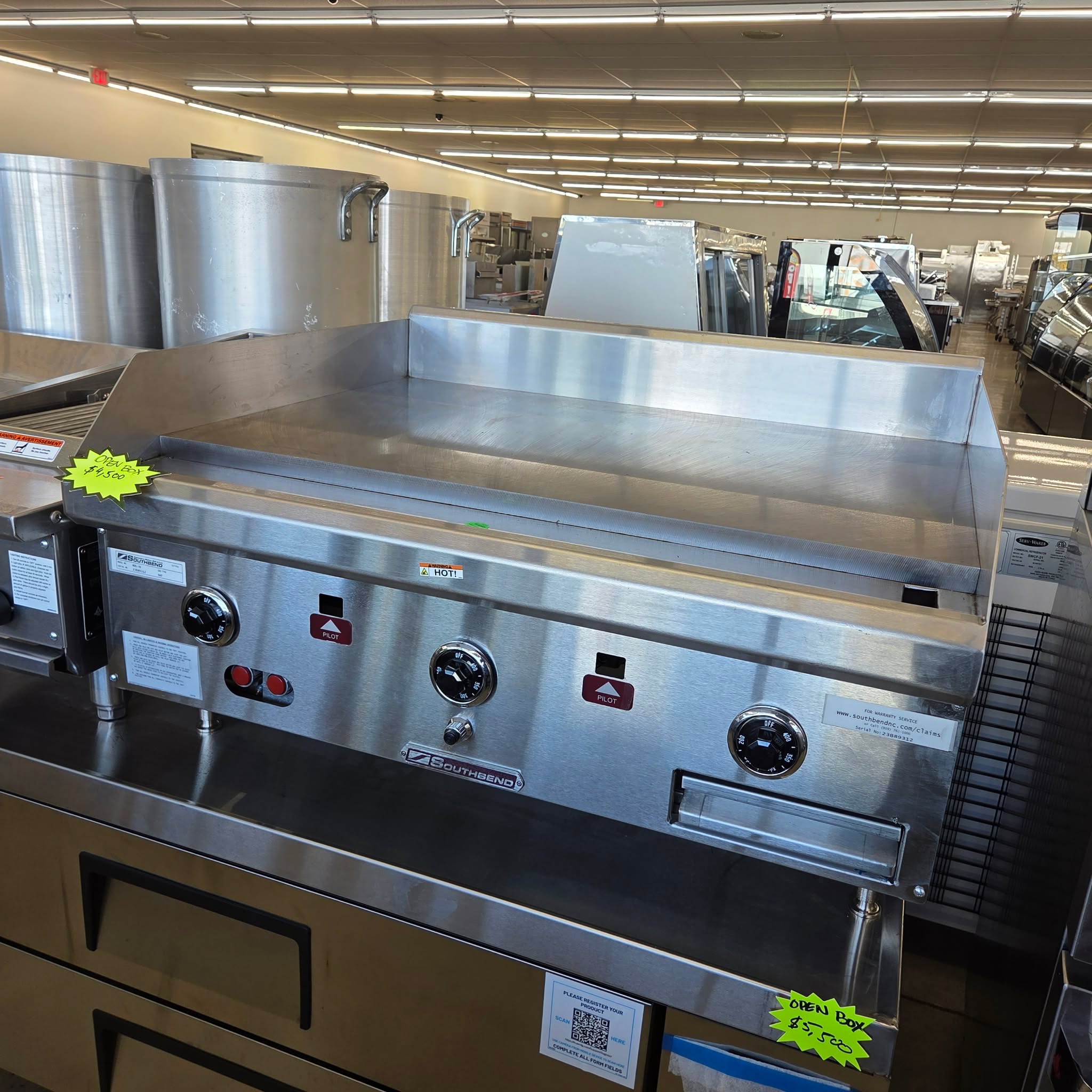
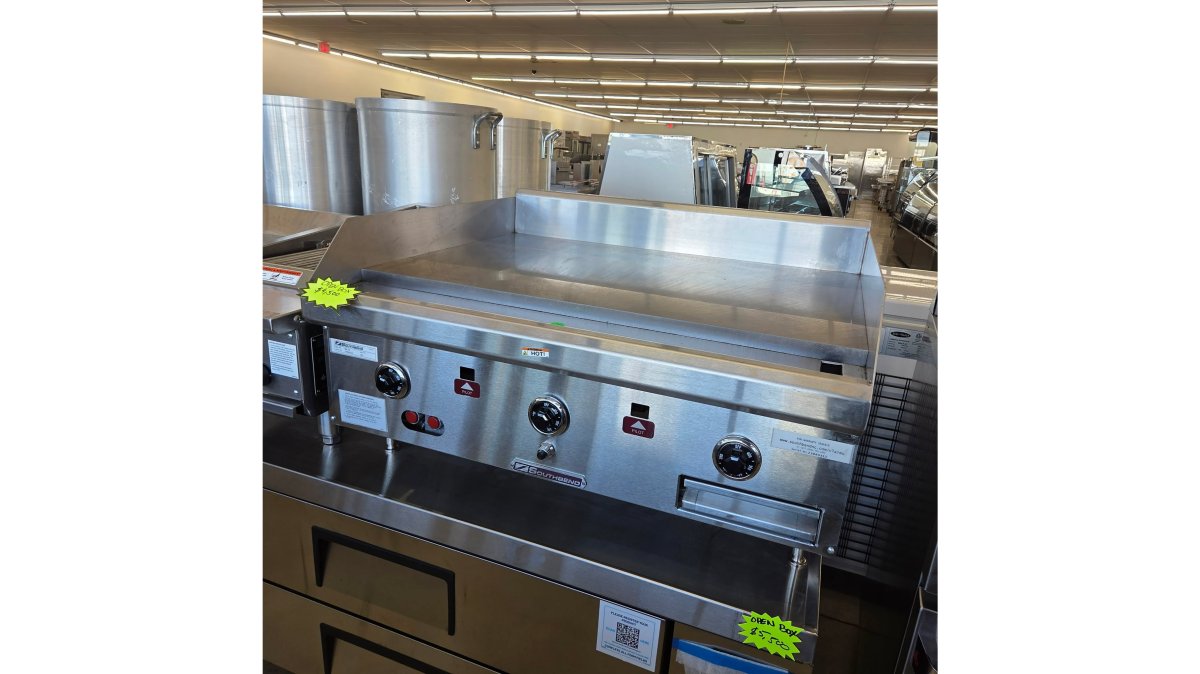
Take the open-box Southbend HDG-36 thermostatic gas griddle, a 36-inch unit with a 1-inch steel plate priced at $4,500. It is an example of the open-box category.
Total Cost of Ownership: New vs Used vs Leased
Total cost of ownership is the purchase price plus every cost you will actually pay to keep the equipment running, minus what you recover when you sell it. Most comparisons stop at the sticker price. That is the wrong number.
Build the comparison on six cost lines, not one:
- Acquisition cost. Purchase price, delivery, installation, and any permitting or hookup work. A used unit that needs a new electrical drop can erase its discount on day one.
- Financing cost. Interest, origination fees, and any down payment. A low monthly payment on a long term can cost more in total than a higher payment on a short one.
- Maintenance and repairs. Parts, labor, and service contracts. Older and refurbished units tend to need more service sooner, and the cost is uneven: a compressor failure is a different event than a worn gasket.
- Energy and utilities. Older equipment is often less efficient. A used unit with a lower purchase price can cost more per month to run than a new high-efficiency model, and that gap compounds over years.
- Downtime. Lost sales and spoiled product while a unit is down. Mission-critical equipment carries a higher downtime cost than backup or seasonal equipment.
- Resale or return value. What you recover at the end. Owned equipment has resale value; leased equipment has none, and lease end-of-term fees can add cost.
A common pattern is to compare three options over a five-year horizon: buy new, buy certified refurbished, and lease. The purchase price is only the first line. The refurbished unit usually wins on acquisition cost but may lose some of that advantage to earlier repairs and higher energy use. The leased unit wins on cash flow but carries no resale value and may include end-of-term obligations.
Watch out: a TCO comparison that ignores downtime and energy will usually favor the cheapest sticker price, which is often the most expensive option once the unit is in service.
Use the comparison to answer one question: which option gives you the lowest cost per month of reliable service for the years you actually plan to keep the equipment?
Leasing Restaurant Equipment vs. Buying: Which Fits Your Cash Flow
Leasing restaurant equipment vs. buying comes down to how long you need the unit, how certain your demand is, and how much cash you can commit on day one.
Use a short decision framework before you sign anything:
- New opening with tight capital. Lease or finance the core line so cash stays available for payroll, rent, and the first slow months. Plan to buy the core units once revenue stabilizes.
- Seasonal demand. Rent or take a short lease for the peak months, then return the unit. Buying seasonal equipment ties up capital for the off months.
- Temporary capacity spike. Rent for events, catering jobs, or a short menu expansion. Renting pays for access, not ownership, and avoids a long commitment.
- Uncertain concept or menu test. Lease with a clear exit. If the concept works, buy at the end of the term or upgrade. If it does not, you are not stuck with resale.
- Core equipment you will keep for years. Buy it. Ownership builds resale value and usually lowers total cost over a long hold.
Contract terms decide whether a lease is a good deal or a trap. Read these lines before signing:
- Term length and payment schedule. Match the term to how long you actually need the unit, not to the lowest monthly payment.
- End-of-term obligations. Know whether you must return the unit in a set condition, pay a return fee, or buy it out at a stated price.
- Automatic renewal clauses. Some agreements renew unless you give notice in a defined window. Miss the window and you may owe another term.
- Early termination penalties. Confirm what it costs to exit if your needs change.
- Maintenance responsibility. Determine whether you or the lessor pays for service, parts, and repairs during the term.
Renting follows the same logic with a shorter horizon. It suits events, pop-ups, and temporary spikes, and it is rarely the cheapest route for a permanent kitchen.
A practical rule for operators: if the equipment is core to your menu and you will keep it past the lease term, buy it.
Your Used Restaurant Equipment Inspection Checklist
A used restaurant equipment inspection checklist is the set of physical and mechanical checks you run before buying any secondhand unit. Skipping it is the most common and most expensive mistake in the used market.
Run these checks on every unit:
- Power it on and confirm it reaches and holds temperature
- Inspect the interior and exterior for rust, cracks, and dents
- Check door seals, hinges, and gaskets for wear
- Listen for unusual noise from motors and compressors
- Confirm all burners, elements, or controls fire correctly
- Verify parts availability for the model before you commit
- Ask for the service history and any prior repairs
- Confirm the warranty terms in writing
What most guides miss is parts availability. A cheap unit with discontinued parts becomes scrap the day it breaks. Check that replacement parts are still made for the model before you hand over money.
Finding Used Restaurant Equipment With Warranty Protection
Used restaurant equipment with warranty protection is secondhand equipment sold by a dealer who backs it with a written guarantee. That warranty is what separates a dealer unit from a marketplace gamble.
A dealer warranty typically covers a set period after purchase and defines what is repaired or replaced. Ask three things before buying: what the warranty covers, how long it lasts, and who performs the repair.
The advantage of buying from a dealer over a private seller is accountability. If a refurbished oven fails, you have a business to call.
Restaurant Equipment Financing Options That Keep You Operating
Restaurant equipment financing lets you spread the cost of a purchase across monthly payments instead of paying the full price upfront. It keeps cash in the business while you put equipment to work.
Common structures include equipment loans, installment agreements, and dealer-arranged financing. Each has different terms, rates, and down-payment requirements. Compare the total amount you will pay over the term, not just the monthly figure.
At Mediterranean Restaurant Equipment, we offer multiple financing options built for operators who need to equip a kitchen without draining reserves.
Equipment-Specific Picks: What to Buy Refurbished and What to Buy New
Some equipment is a smart refurbished buy. Other categories are worth buying new. The difference comes down to how much wear the unit takes and how critical uptime is.
Buy refurbished or open-box when the unit is simple, durable, and easy to inspect: ranges, griddles, and refrigerated bases. Buy new when the equipment is mission-critical or heavily computerized.
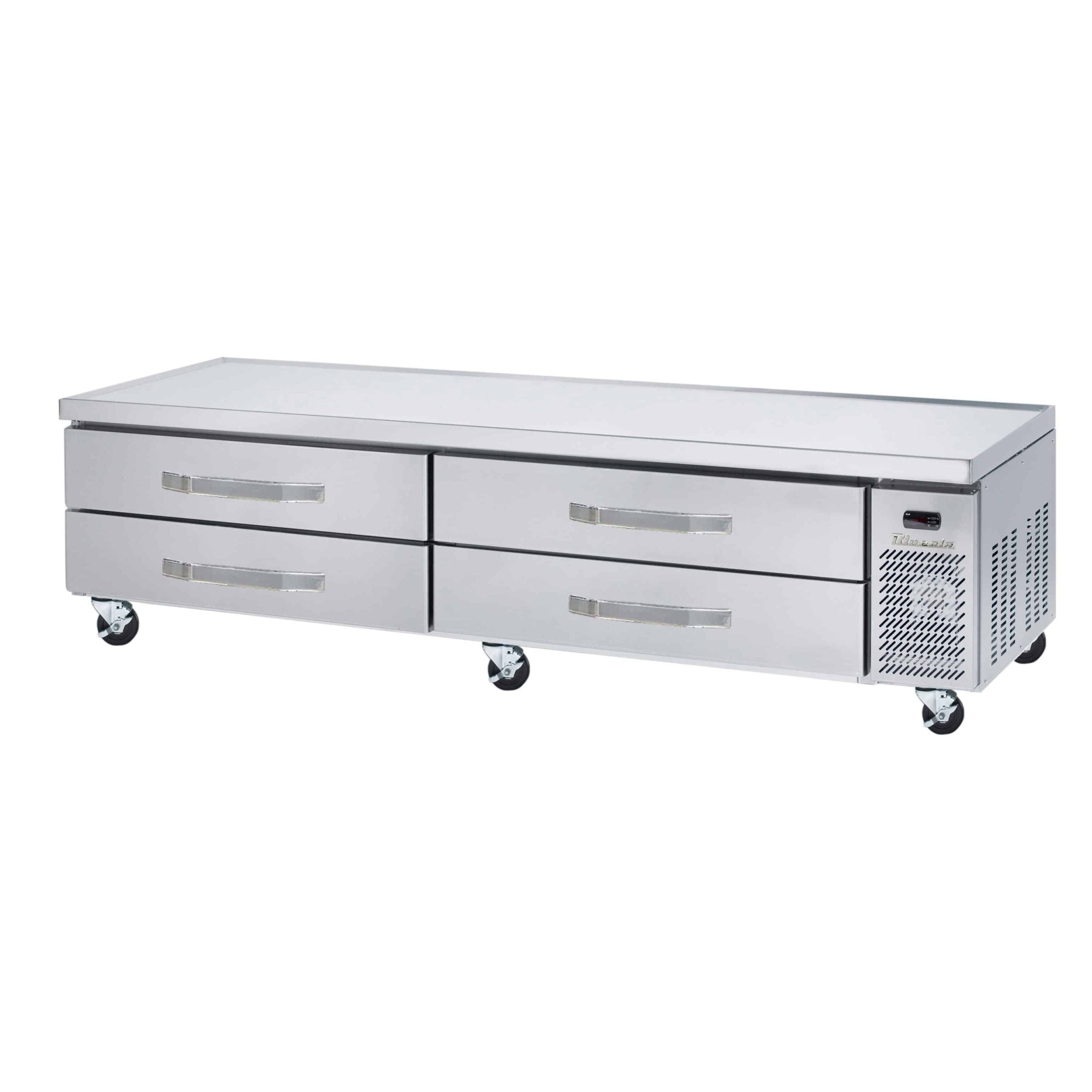
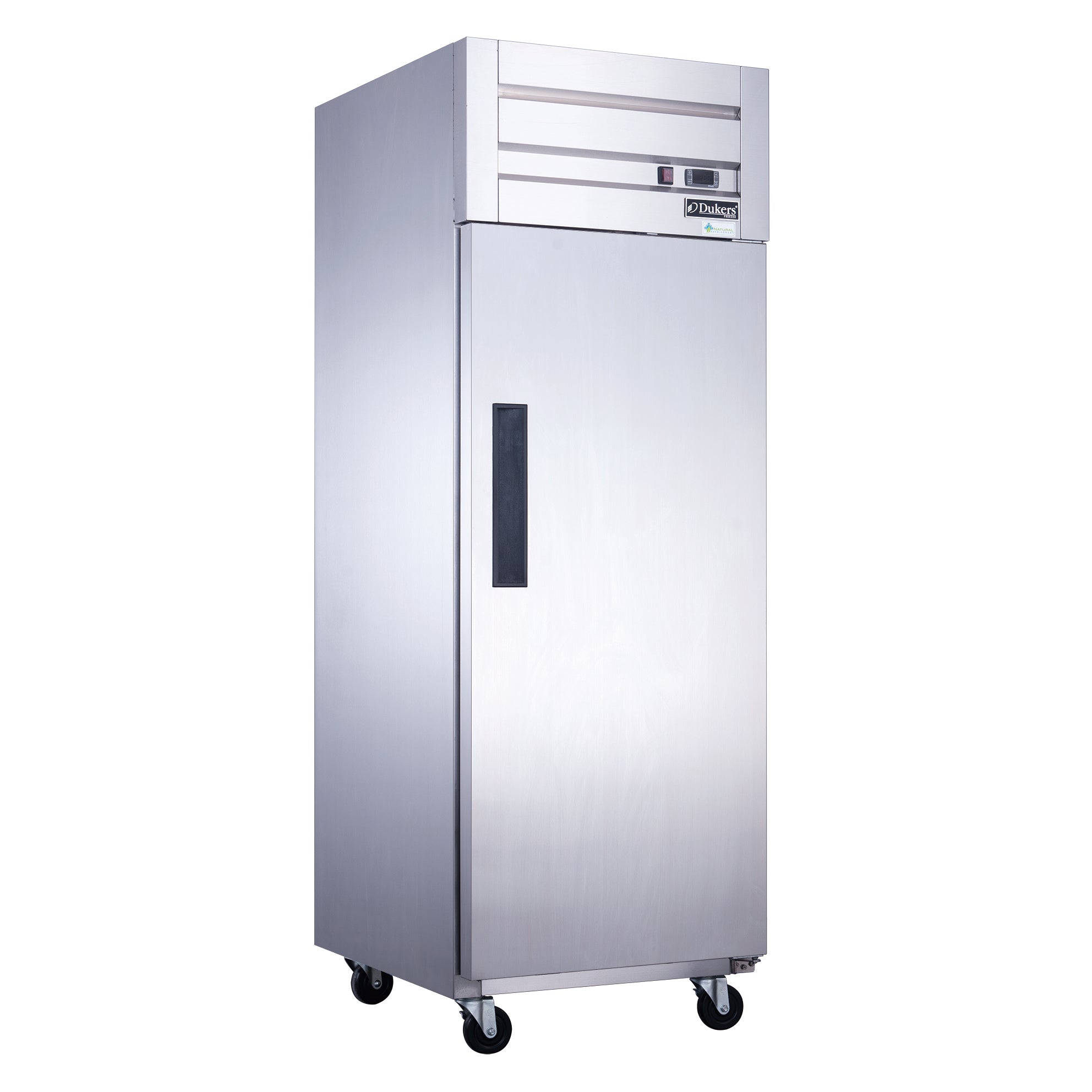
For refrigeration, the open-box Vulcan/Traulsen 48-inch refrigerated chef base is one option for anchoring a line at a lower price. A Dukers single-door top-mount freezer and a Dukers pizza prep table refrigerator are listed for consideration as new equipment, and a Blue Air equipment stand refrigerator is listed as a refurbished option.
Equipping a kitchen without overspending is a balancing act, and the right mix of new, refurbished, and financed equipment looks different for every operator.
Frequently Asked Questions
What are the alternatives to buying new restaurant equipment?
Beyond buying new, operators can lease or rent commercial kitchen equipment, buy certified refurbished or open-box units, purchase used equipment from a dealer with a warranty, or use equipment financing to spread the cost of new purchases. Each restaurant equipment alternative trades upfront cost against long-term ownership, warranty coverage and flexibility, so the right choice depends on your cash flow and how long you plan to keep the unit.
Is it better to buy used or refurbished restaurant equipment?
Refurbished units are typically inspected, repaired and sold with a limited warranty, while used equipment sold as-is carries more risk. If you need protection against early breakdowns, ask whether the unit carries a warranty and confirm what parts and labor it covers. For high-wear items like fryers and dishwashers, a refurbished unit from a dealer is usually safer than a private-party sale.
When does leasing restaurant equipment make more sense than buying?
Leasing suits operators who need equipment fast, want to preserve cash for payroll and inventory, or expect to upgrade within a few years. When comparing leasing restaurant equipment vs. buying, add up the total lease payments plus any buyout against the purchase price plus maintenance and resale value. Short-term or seasonal needs, like a catering operation, often favor rental over both.
What should you inspect before buying used restaurant equipment?
Run a used restaurant equipment inspection checklist: test burners, thermostats and refrigeration pull-down, check for rust or cracked welds, confirm parts availability, and verify the unit's age and service history. Ask whether it was tested under load, not just powered on. A dealer that lets you see the equipment running and confirms its terms in writing reduces much of the guesswork.
How can a small restaurant reduce the cost of kitchen equipment?
Small operators can combine restaurant equipment financing with refurbished or open-box purchases to lower upfront cost. Open-box units like a Southbend HDG-36 griddle at $4,500 or a Fortress FGR4B range at $900 are listed at discounted prices. Buy-back programs and bulk ordering are also available options to ask about.
